Culture Wheel had grown across multiple repositories, overlapping services, and inconsistent product patterns. Every new feature required navigating more code, more handoffs, and more places where the same behavior could break.
For several months, OBLSK was the product's sole engineering team. During that time, we consolidated repositories, removed duplicate and outdated code, simplified system boundaries, and continued shipping product improvements.
01
Challenge
- Related product behavior was split across repositories and services, making changes harder to trace and maintain
- Duplicate code and inconsistent patterns increased the cost of adding features or fixing the same workflow in more than one place
- Managers needed guidance grounded in their actual teams and work instead of generic management advice
- The product roadmap needed to keep moving while OBLSK simplified the underlying system
02
Solution
- Combined related repositories and services into a smaller, more cohesive set of codebases, then removed dead code, duplicate implementations, and temporary debugging tools
- Moved conversational workflows into the application with saved conversations, folders, reusable prompts, direct database access, and traceable service calls
- Built an organization-scoped context layer that understands the user, manager, direct reports, colleagues, roles, and DISC profiles
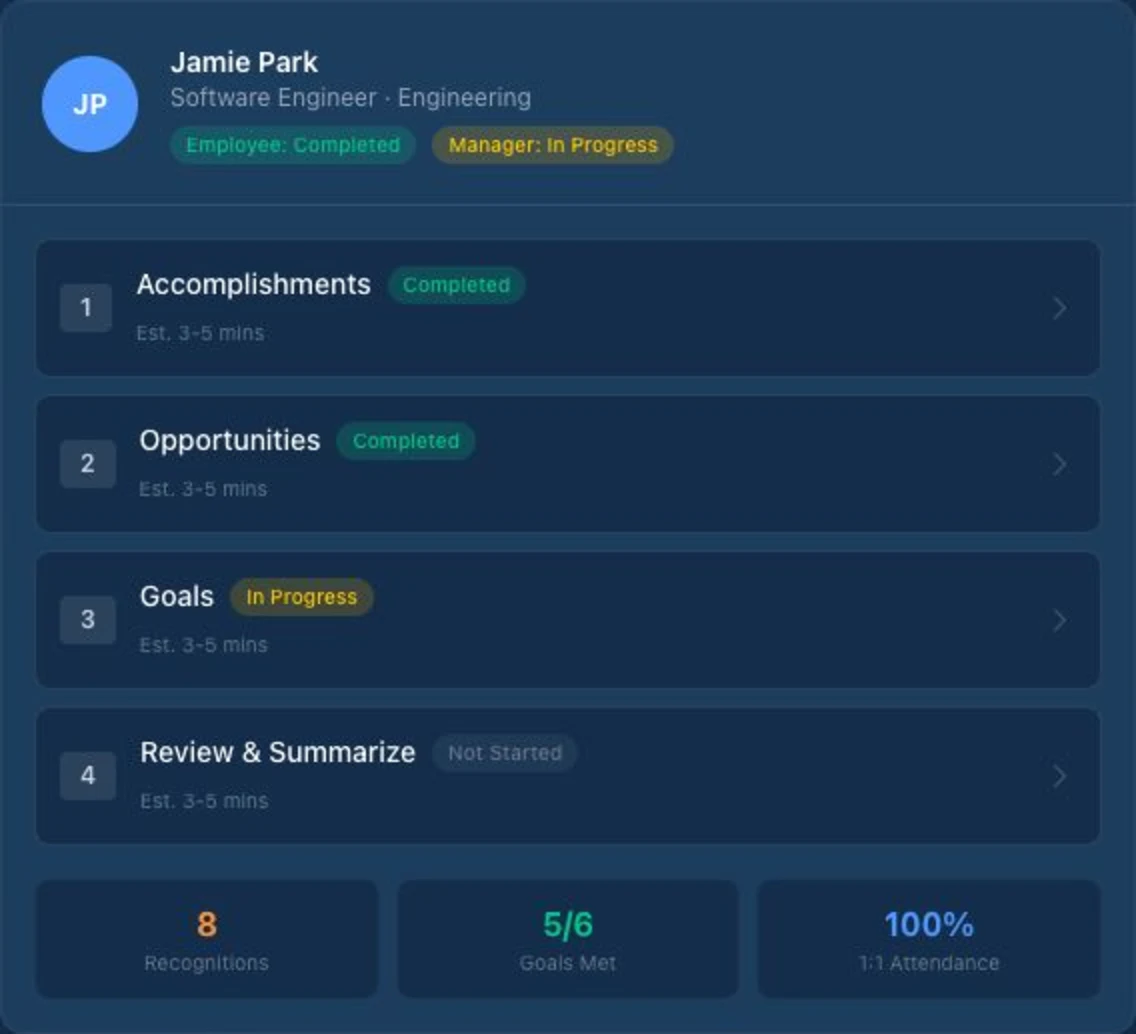
- Connected natural-language questions to meetings, performance reviews, goals, notes, action items, and accomplishments. The query layer handles people, date ranges, totals, frequency, and multi-step questions
- Added clearer error feedback, performance improvements, Playwright coverage, and feature gates so new capabilities could be tested and released without weakening organization boundaries
03
Result
- Culture Wheel had fewer systems to maintain and fewer boundaries between related product workflows
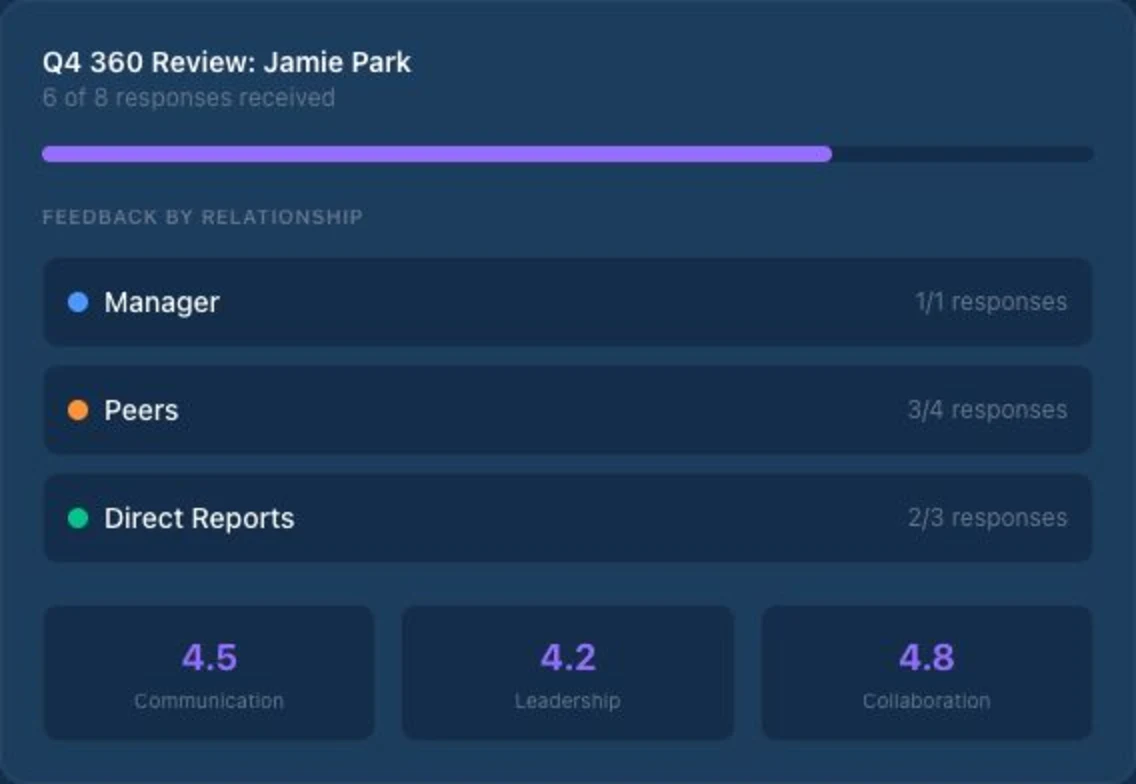
- Leaders could draw on six kinds of employee activity when preparing feedback, reviews, and team conversations
- Coaching accounted for whether the named teammate was a manager, direct report, or peer, then translated DISC data into practical communication advice
- The query layer distinguished totals from time-based patterns, including questions about weeks, months, quarters, and meeting frequency
- Consolidated code, direct data access, and automated tests made the product easier to understand and safer to change